%20(1500%20%C3%97%20500px)%20(1000%20%C3%97%20500px)%20(500%20%C3%97%20500px)%20(1000%20%C3%97%20500px)%20(1).png?w=auto&h=400)

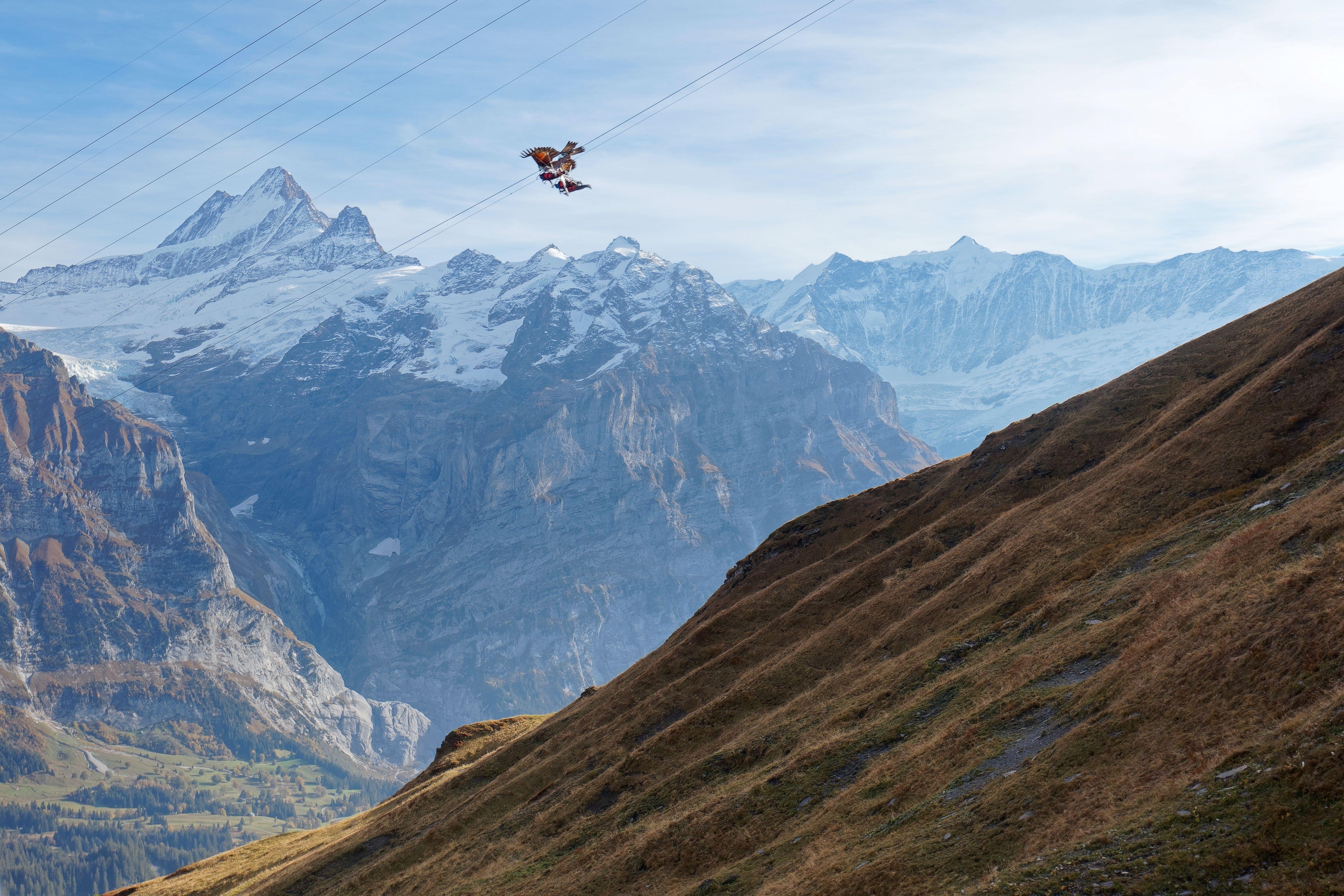
Why Packing Right Matters for Your Grindelwald First Adventure
Book Grindelwald First Tickets
 5 Stars| Rated By 156+ Customers
 Guide
Guide Mobile Voucher
 Cashback
Climate and Weather at Grindelwald First
.jpeg?w=340&dpr=2)
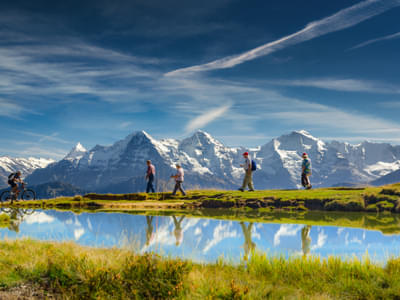
Summer in Grindelwald is mild. In July, daytime temperatures usually reach around 16°C (60°F), while nights and early mornings can drop to about 6°C (42°F). The weather can change quickly and unexpectedly, so even in summer, you might encounter sudden rain, something that often surprises visitors. It might be sunny in the morning and then suddenly rainy in the afternoon.
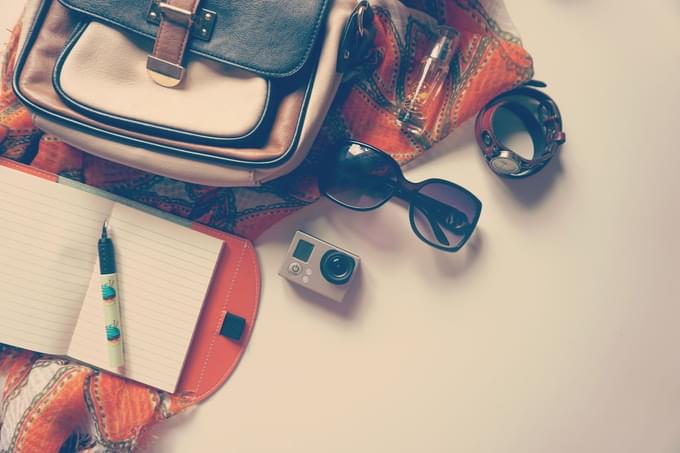
That’s why it’s best to wear clothes in layers so you can add or remove them as needed. The sun is also stronger in the mountains, so don’t forget sunscreen, sunglasses, and a hat to protect yourself. Summer is a great time for hiking, but if it rains, the trails might be muddy, so come prepared.
Also Checkout: Things to Do at Grindelwald First
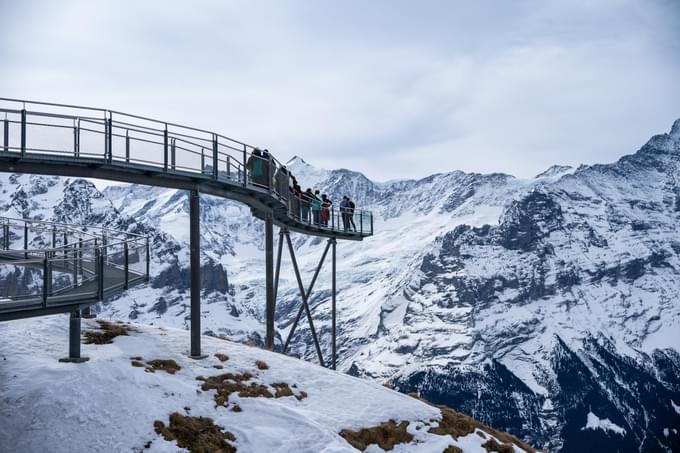
In winter, Grindelwald becomes a beautiful, snowy village surrounded by mountains-straight out of a postcard. Temperatures in December usually range from about -11°C (12°F) in the early morning to -1°C (29°F) during the day. Snow covers everything, making it great for skiing and other fun winter activities—but you’ll need to be ready for the cold.
The wind makes it feel even colder than it is, so -1°C can feel like -10°C or more. Days are shorter, and the sun sets around 4:30 PM, giving you less time outdoors. On sunny days, the views of the snow-covered mountains are breathtaking, but the wind is strong. To stay safe and warm, wear thick winter clothes and good shoes—preferably waterproof boots with insulation and a strong grip for walking on snow and ice.
What to Pack for Summer

That's the secret to staying comfortable in the Alps. Start with a moisture-wicking base layer that keeps sweat away from your skin. Avoid cotton clothing, as it stays wet and makes you cold.
Also, add a warm middle layer, such as a fleece or light wool sweater that you can easily remove if you get too warm. Your outer layer should be a waterproof, windproof jacket that can handle sudden rain showers or strong mountain winds.
Don't forget long pants made from quick-dry material— even if it's hot, mountain weather can change fast. Pack an extra pair of socks because nothing ruins a day like wet feet.
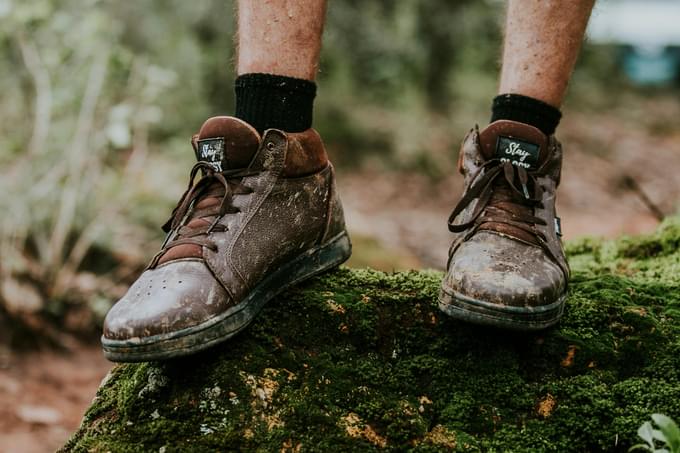
Waterproof hiking boots with good ankle support are essential, even for easy walks. The trails can be muddy, rocky, or slippery, and regular sneakers just won't cut it. Make sure your boots are broken in before your trip—blisters and new boots don't mix well. Bring an extra pair of comfortable shoes for wearing around the village or back at your hotel. If you're planning to do the Mountain Cart or other activities, closed-toe shoes are required for safety.
What to Pack for Winter
.jpg?w=340&dpr=2)
Winter layering is an art form that keeps you alive and comfortable in freezing temperatures. Start with thermal underwear—both top and bottom—made from merino wool or synthetic materials. These base layers should fit snugly but not tightly.
Add an insulating layer like a down jacket or thick fleece that traps warm air. Your outer layer should be warm and waterproof. Try to avoid packing bulky jackets that take up lots of space. Waterproof ski pants or snow pants are essential for any outdoor activities. Pack several pairs of warm socks—wool or synthetic blends work best. Thermal gloves and liner gloves give you options for different activities and temperatures.
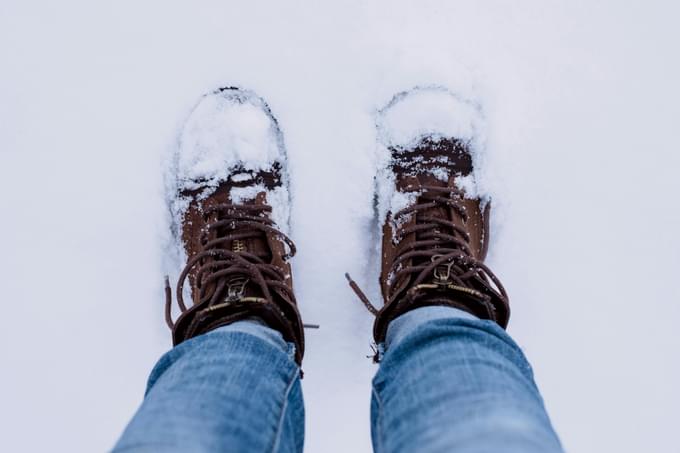
Winter boots can make or break your mountain experience. Waterproof, insulated boots rated for sub-zero temperatures are non-negotiable. Look for boots with good traction, or consider bringing ice cleats for extra grip on icy surfaces. The boots should be roomy enough for thick socks but not so loose that your feet slide around. Warm, waterproof socks are just as important as the boots themselves. Pack extra socks because your feet tend to get wet in winter conditions.
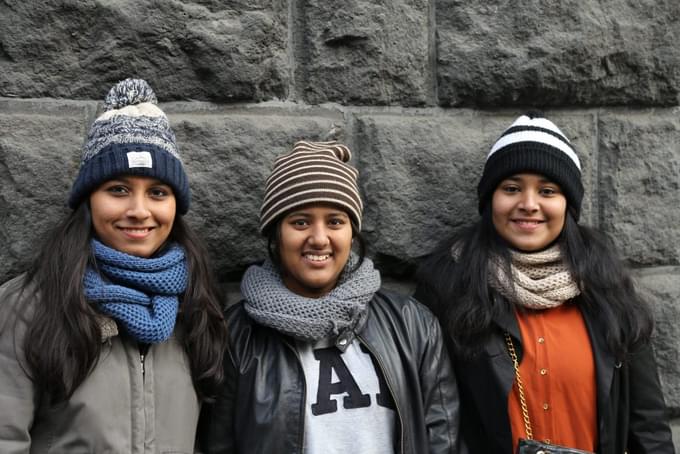
Bringing a hat that covers your ears is important during winter. A neck warmer or scarf protects against cold wind, and quality winter gloves or mittens should be waterproof and warm—consider bringing two pairs in case one gets wet. Also, bring ski goggles or wraparound sunglasses to protect your eyes from snow glare and wind. Hand and foot warmers are lifesavers during very cold days.

Hot drinks in a thermos keep you warm from the inside out—nothing beats hot chocolate on a cold mountain day. High-energy snacks like nuts and chocolate give you fuel for winter activities. Also, keep an emergency blanket that takes up no space but could save your life in extreme conditions.
Frequently Asked Questions
Is Grindelwald better in summer or winter?
Both seasons offer unique magic – summer brings hiking, mountain biking, and the famous First Flyer zipline, while winter transforms the area into a snowy playground perfect for skiing and sledding. Choose based on your preferred activities and weather tolerance.
How much time to spend in Grindelwald First?
Plan for a full day to experience the main attractions. First is perfect for a day trip, offering activities from scenic walks to Bachalpsee to adventure-filled adventures like First Flyer and Mountain Carts.
Do you need a jacket in Switzerland in summer?
Absolutely! Even in summer, temperatures drop significantly at altitude and weather changes quickly. A waterproof, windproof jacket is essential for comfort and safety, especially for activities like the First Cliff Walk or mountain hiking.
Is there snow in Grindelwald in the summer?
While the village itself is usually snow-free in summer, higher elevations often have snow patches year-round. The surrounding glaciers and high peaks maintain snow cover, creating beautiful contrasts with the green alpine meadows below.
What to do at Grindelwald in winter?
Winter activities include the First Cliff Walk, skiing, snowboarding, sledding, and winter hiking from mid-December to April. Other popular options include:
- Curling, Night Sledding & Snowshoeing – classic alpine winter fun
- Cross-Country Skiing – glide along groomed scenic trails
- Winter Photography Tours – capture stunning snowy landscapes
- Cozy Mountain Dining – enjoy traditional Swiss food by the fire
- Ice Climbing – a challenge for seasoned adventurers
- Hike to Faulhorn – a rewarding trek for the truly adventurous
What to do at Grindelwald in the summer?
Summer adventures include hiking, ziplining, skydiving, glacier swinging, and mountain biking. Popular activities are:
- First Flyer Zipline – Europe’s longest zipline experience
- First Cliff Walk by Tissot – a suspended walkway with incredible views
- Hike to Bachalpsee – for picture-perfect reflections
- Mountain Cart Ride – race down thrilling alpine paths
- Trottibike Scooter Ride – glide through scenic mountain routes
- Paragliding & Skydiving – soar high with ultimate aerial thrills
- Alpine Slide & Adventure Playground – fun-filled activities for families
Day Trip to Grindelwald First